
23+Basement Bedroom Ideas to Transform Your Lower Level Space
Most people hear basement bedroom and immediately picture a dark, slightly damp room with a tiny window near the ceiling and that particular smell that no candle can fully fix. If that’s where your mind went, you’re not alone.But here’s what actually happens when someone puts real thought and intention into a basement bedroom: it becomes one of the most coveted rooms in the house. Cooler in summer. Quieter than any room above grade. Completely private. And when it’s styled well, genuinely beautiful in a way that surprises people the moment they walk in.I’ve helped style and plan several below-grade bedroom spaces over the years, and the transformation is always the same. People walk in expecting to settle, and end up wanting to stay. The difference between a basement bedroom that feels like a punishment and one that feels like a retreat comes down to a handful of decisions made with intention.
Start by Solving the Light Problem Honestly

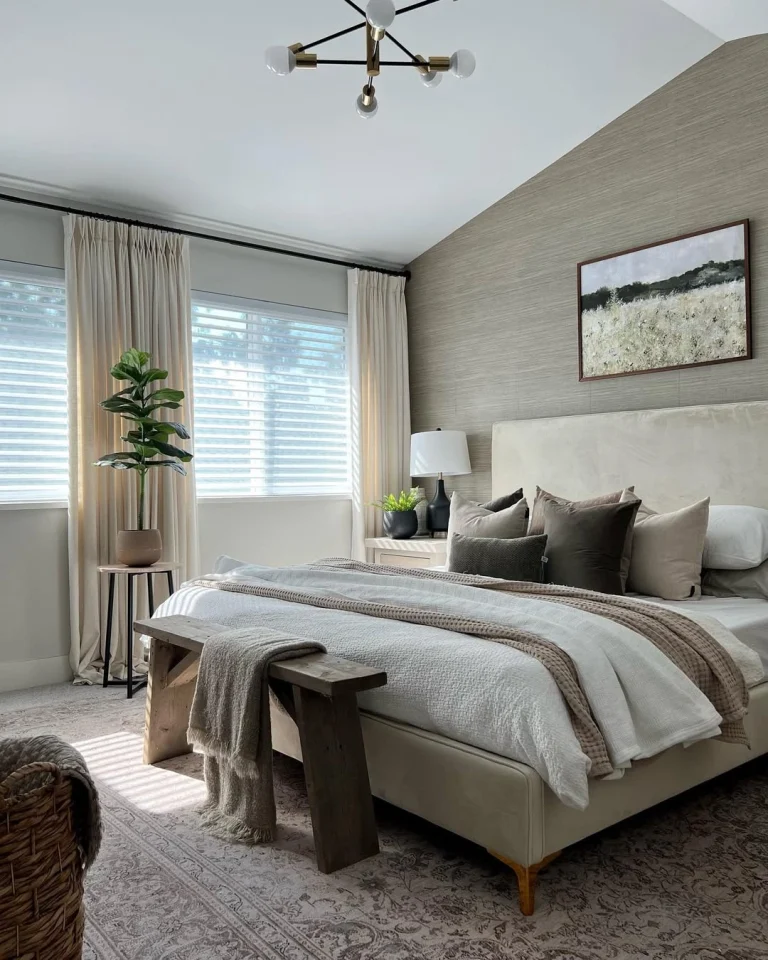
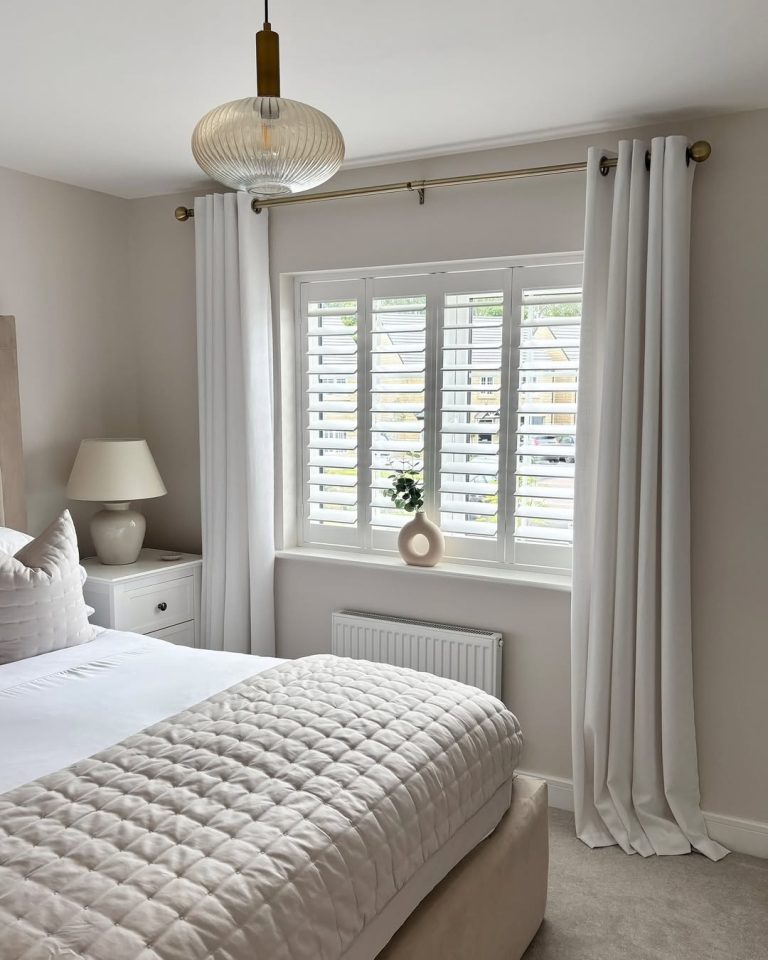
Light is the number one challenge in any basement bedroom, and the worst thing you can do is pretend the problem doesn’t exist. The second worst thing is overcorrecting with harsh overhead fluorescents that make everything feel like a doctor’s waiting room.The solution is layered light, and lots of it. Recessed ceiling lights on a dimmer give you control over the ambient level throughout the day. Table lamps on nightstands add warmth at eye level, which is where it matters most in a bedroom. Wall sconces flanking the bed are both practical and beautiful and free up surface space on small nightstands.If you have even a modest window, treat it like a gift. Hang the curtains high and wide so every inch of natural light is maximized. Choose light or warm wall colors that reflect rather than absorb whatever natural light does make its way in. Sage green, warm white, soft greige, and pale taupe all work brilliantly for this.
A Barn Door Is One of the Smartest Moves for a Basement Bedroom

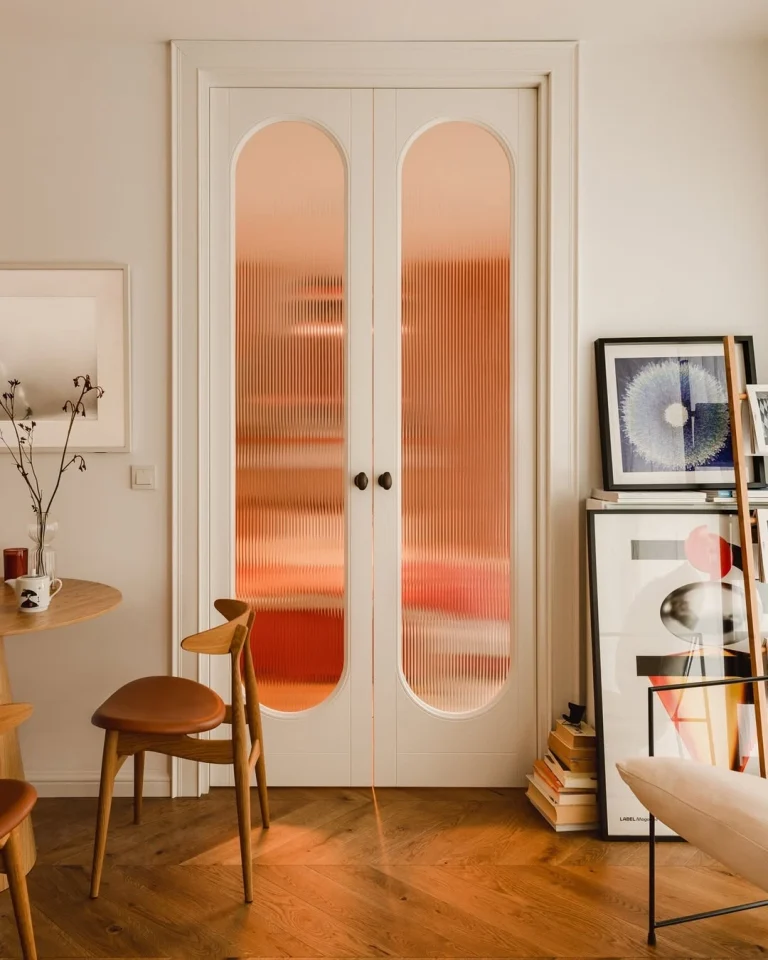
Standard hinged doors in basement bedrooms can feel clunky, especially in tighter layouts where the door swing eats into usable floor space. A sliding barn door solves that problem immediately while also adding enormous character to what might otherwise feel like a plain, utilitarian room.A white barn door with black hardware against a crisp white wall is clean, modern, and farmhouse-adjacent in the best way. It creates a design moment at the entrance of the room that signals this is a considered space, not an afterthought.If the budget allows, a double barn door configuration is even more impactful. It reads as architectural rather than simply functional, and it makes the bedroom entrance feel like something you’d find in a boutique hotel rather than a finished basement.
Built-In Storage Is Worth Every Penny in a Below-Grade Bedroom

Basement bedrooms often have proportions and ceiling heights that make freestanding furniture feel awkward. The room is either too narrow, the ceiling too low, or the layout too irregular for standard furniture arrangements to work well.Built-in cabinetry solves all of this in one move. A floor-to-ceiling built-in wall unit surrounding the bed creates a bespoke, purposeful look that makes even an unconventional space feel completely intentional. It maximizes storage, eliminates the need for additional freestanding furniture, and creates an architectural focal point that the room might otherwise lack.Painted in a warm sage, olive, or muted greige, built-ins in a basement bedroom also help solve the color problem. Rather than trying to brighten every surface aggressively, committing to a warm, muted tone throughout the cabinetry creates cohesion and a kind of serene calm that feels genuinely restful.
Exposed Brick Is an Asset You Should Never Cover Up

If your basement has exposed brick, either as part of the foundation wall or as a structural column, resist every instinct to cover it. Exposed brick in a bedroom adds texture, history, and warmth that no wallpaper or paint finish can replicate.The key is to treat the brick as a feature rather than a flaw. Style around it deliberately. A neutral upholstered headboard in linen or soft taupe sits beautifully against warm red brick without competing. A dark wood or black metal nightstand with clean lines provides contrast that makes both the furniture and the brick look more intentional.Patterned throw pillows in blue, gray, and botanical tones pull colors from the brick and the bedding together. A flat woven rug in a complementary blue-gray grounds the bed without adding visual clutter. The whole arrangement should feel curated and warm, not rustic or rough.
A Window Seat Solves the Low-Window Problem Beautifully

One of the most common challenges in a basement bedroom is the placement of windows. Because they sit at or just above grade, the windows tend to be high on the wall and relatively small, which can make them feel like afterthoughts rather than features.Building a window seat or raised platform beneath those windows turns the challenge into one of the most charming elements in the room. Suddenly the windows are at a comfortable sightline when seated, they become functional, letting in cross-ventilation and garden views, and the platform provides additional storage underneath.A deeply upholstered window seat cushion with a layered mix of pillows creates a secondary seating area that makes the room feel more like a suite than a single-purpose sleeping space. This is particularly valuable in basement guest bedrooms where you want visitors to feel like they have genuine living space rather than just a place to sleep.
Modern Luxury Is Completely Achievable Underground

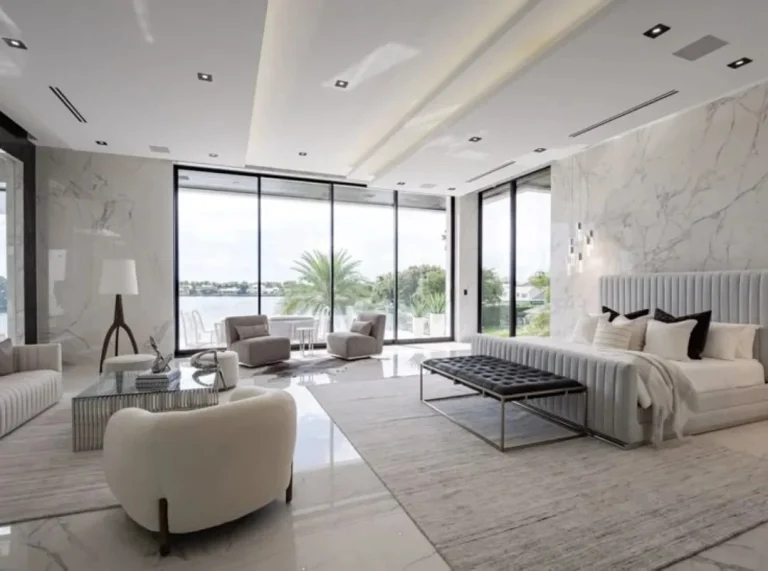
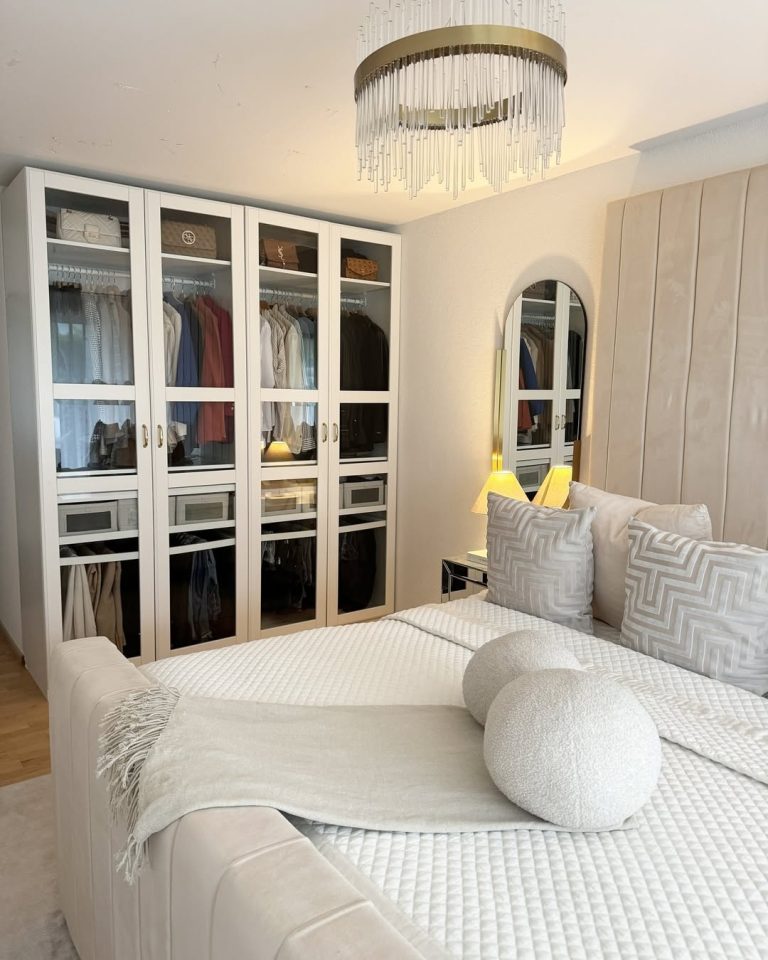
The idea that a basement bedroom has to be modest or understated because of its location is one worth dismissing entirely. With the right design decisions, a below-grade bedroom can feel every bit as luxurious as any room on the main floor, and sometimes more so because of the privacy and quiet it naturally provides.LED cove lighting installed behind a paneled feature wall creates a soft, glowing ambient effect that is genuinely one of the most effective ways to add atmosphere to a room without natural light. Green, warm white, or amber tones work particularly well and can be adjusted with a smart controller to suit different times of day and different moods.A tall, paneled upholstered headboard in a soft cream or blush creates a focal point that reads as genuinely luxurious. Paired with layered bedding in sage and dusty rose tones, rounded accent chairs in boucle, and a crystal or drum chandelier, the result is a room that feels like a private resort rather than a basement.
The Open Ceiling Trick That Actually Works

Most people assume that a basement bedroom needs a smooth drywall ceiling to look finished and respectable. What they don’t realize is that an open, painted ceiling can be one of the most interesting and industrial-chic design choices in the room, provided it’s done correctly.The key is paint. Painting every exposed element of the ceiling, the joists, the pipes, the ducts, all in the same dark color, matte black, deep charcoal, or dark navy, creates a unified visual that reads as intentional rather than unfinished. The dark ceiling recedes visually while the recessed lights pop forward, drawing attention to the living space below rather than the structural elements above.This approach also saves significant renovation budget. Drywalling and finishing a ceiling properly is expensive, labor intensive, and often requires navigating complex access panel requirements. A painted open ceiling skips all of that while delivering a result that many people actually prefer.
High Windows and Warm Tones Create a Surprisingly Luxurious Result

When a basement bedroom has windows positioned high on the wall, almost at grade level, the opportunity is to use that particular quality of light, raking, directional, changing throughout the day, as a design feature rather than a limitation.Dark structural ceiling beams painted in a deep espresso or near-black create a strong architectural framework that the high-clerestory windows can be nestled within. This transforms what might feel like an industrial constraint into something that looks deliberately designed, like a Japanese-influenced modern interior where structure is celebrated rather than concealed.Warm cream walls and rich caramel and amber bedding tones respond beautifully to the quality of light coming through high windows. The light doesn’t flood the room, it skims across surfaces horizontally, catching texture in the wall finish, the upholstery, the rug. This quality of light is actually flattering and beautiful if you furnish to honor it rather than fight against it.
Color and Pattern Are the Fastest Way to Warm Up a Bland Space
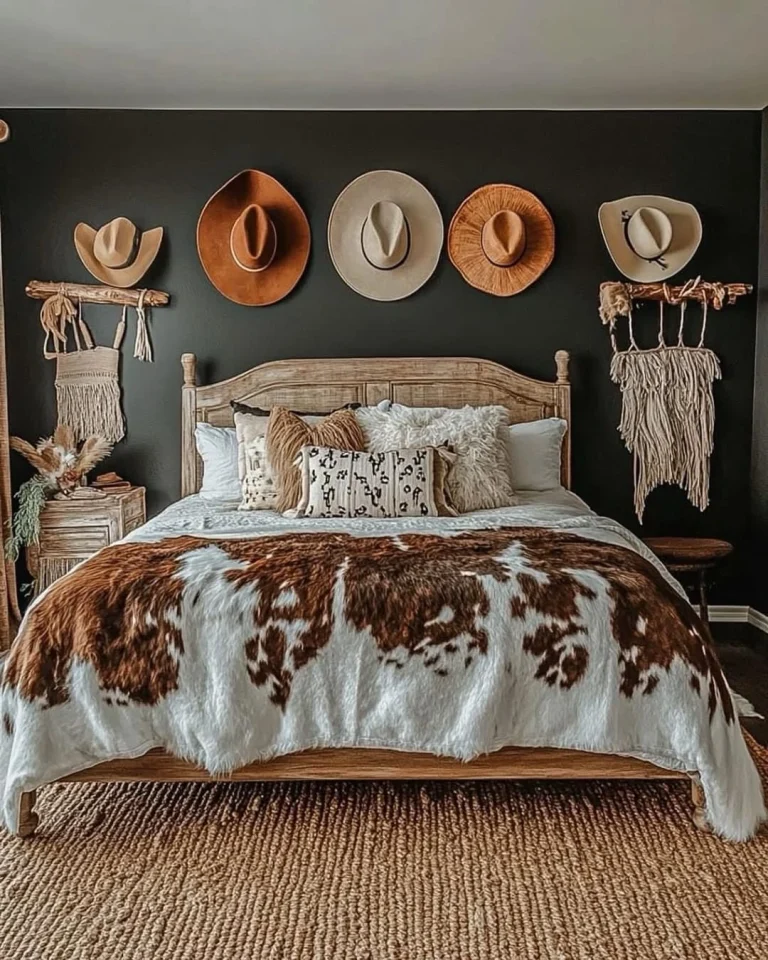
When a basement bedroom lacks architectural character, strong color and pattern in the soft furnishings do the work that structure cannot. A bold, graphic duvet cover or bedspread in a warm, saturated tone immediately changes the energy of the room in a way that no amount of neutral layering can replicate.Warm amber, chartreuse, and mustard tones work particularly well in below-grade spaces because they read as sunny and energetic even in rooms with limited natural light. They borrow visually from sunlight and communicate warmth in a way that cooler, bluer palettes never quite manage underground.A thick, high-pile area rug adds underfoot warmth that basement floors, whether concrete, tile, or low-pile carpet, almost always need. It also defines the sleeping zone within what might be a larger, more open basement layout and creates a sense of boundary and purpose that makes the room feel more intentional.
Frequently Asked Questions
How do I make a basement bedroom feel less dark?
Layer your lighting with recessed ceiling lights, table lamps, and wall sconces all on dimmers. Choose warm wall colors that reflect light rather than absorb it, and hang mirrors opposite any windows you have.
What colors work best in a basement bedroom?
Warm neutrals like sage green, soft cream, warm white, and taupe work beautifully. Avoid cool grays and blues which can amplify the underground feel. Warm earthy tones always make a below-grade space feel more welcoming.
Is it worth finishing a basement bedroom properly?
Absolutely. A well-finished basement bedroom adds genuine usable square footage to your home, increases resale value, and provides a private, quiet sleeping space that is often more comfortable than above-grade rooms in summer.
How do I add storage to a basement bedroom without making it feel cluttered?
Built-in cabinetry is the best investment. A full wall of built-ins surrounding the bed maximizes storage while looking purposeful and architectural rather than cluttered.
What flooring works best for a basement bedroom?
Luxury vinyl plank is warm underfoot, moisture-resistant, and looks convincingly like real wood. Pair it with a large area rug for added softness. Avoid cold stone or ceramic tile as a primary floor surface in a sleeping space.
Conclusion
A basement bedroom done well is genuinely one of the most comfortable and private spaces a home can offer. The challenges, limited natural light, unconventional window placement, lower ceilings, are all solvable with the right approach. And once they’re solved, what’s left is a room that is quieter, cooler, and more private than almost anything above grade.The basement bedroom ideas above cover everything from small practical moves to more significant investments, and they all come back to the same principle. Treat the space with the same intention and care you would give any other room in your home, and it will reward you with a result that genuinely surprises people.